

Where to watch butterflies in the Blue Ridge foothills
Good butterfly watching depends more on habitat and weather than on one famous overlook. Sunny wildflower patches, forest edges, stream corridors and open fields each draw different species. The places below are starting points in Upstate South Carolina. Sightings are never guaranteed, and habitats change through the seasons.
Butterfly watching at a glance
- Best season: Late spring through early fall
- Best conditions: Warm, mostly sunny days with light wind
- Best time of day: Mid-morning through afternoon
- What to bring: Water, sun protection, camera or close-focus binoculars, notebook
- Difficulty: Easy, with short walks at most of these places
Places to try
Table Rock State Park
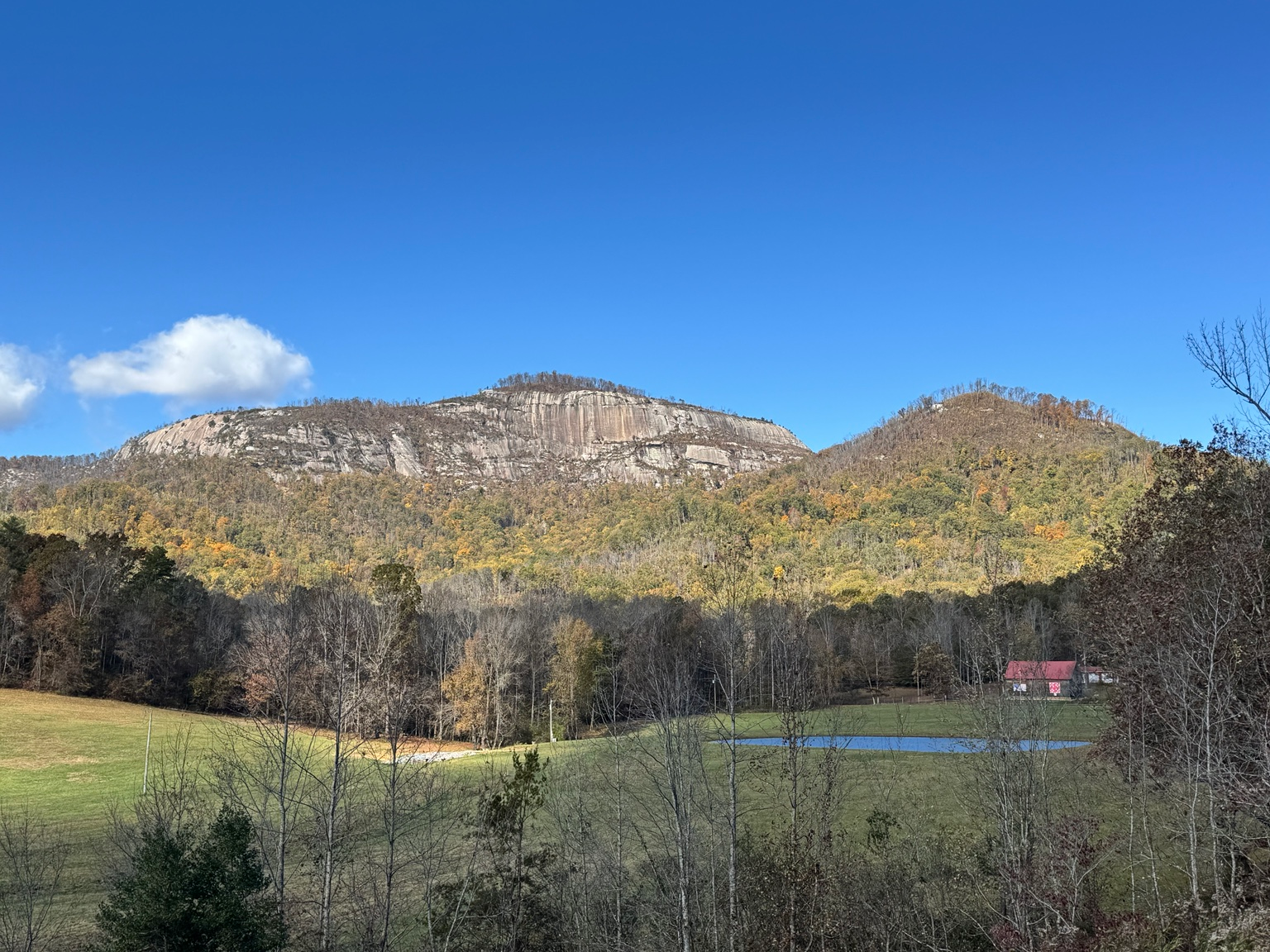
Look along permitted open areas and sunny woodland edges rather than expecting butterflies on the rocky summit. Warm, calm days from late spring to early fall can be productive. Check current park access and trail conditions before you go. Official park information.
Caesars Head State Park
Higher elevation, forest openings and roadside edges can offer a different mix than lower foothill gardens. Stay within public access areas and never stop on unsafe road shoulders. Official park information.
Oconee State Park
Explore permitted sunny edges near recreation areas and trails, especially where native flowers are blooming. Shade and open clearings within the same visit can support different butterfly activity. Official park information.
South Carolina Botanical Garden in Clemson
Garden plantings are a good place to practice identification because butterflies often pause to nectar. Compare different garden habitats and note which flowers draw visitors. Check visitor information and any temporary closures first. Garden information.
When and how to look
Choose a warm, mostly sunny day. On cool mornings butterflies stay still while they warm up, so activity picks up once temperatures rise. Walk slowly, watch a flower patch for several minutes and check damp mud, where butterflies sip minerals. Take photos of the upper and under side of the wings for later identification.
Spring brings swallowtails, summer brings skippers and fritillaries, and fall brings migrating monarchs. Activity varies by species, year and elevation. Record what you see with our free printable checklist.
Gear that helps
Disclosure: the links below are affiliate links. We may earn a commission at no extra cost to you. As an Amazon Associate we earn from qualifying purchases. Details.
Common questions about butterfly watching
Do I need special equipment?
No. A phone camera and a notebook are enough. Close-focus binoculars help you see detail without getting close.
Can I collect or handle butterflies?
Do not collect or disturb wildlife in state parks. Watch and photograph from a respectful distance instead.
What if it is cloudy?
Activity drops on cool, overcast or rainy days. Try again when the sun is out and temperatures rise.
Our takeaway
Pick a warm sunny day, go to a flower-rich edge and slow down. Patience beats distance.
Related guides
- Butterfly garden plants for the Upstate
- Monarch migration seasons
- Eastern Tiger Swallowtail guide
- Free butterfly checklist
These are suggested observation locations based on available habitat, not verified recent sightings. Hours, access and conditions change, so check each official page before you go. Follow park rules and do not collect wildlife.
Leave a Reply