
Disclosure: Some links on this page are affiliate links. We may earn a commission from qualifying purchases at no extra cost to you. As an Amazon Associate we earn from qualifying purchases. How affiliate links work.

How to start a butterfly garden in the Upstate
A good butterfly garden does two jobs. It feeds adult butterflies with nectar, and it feeds caterpillars with the specific host plants each species needs. A small bed that does both beats a large bed of flowers alone. This guide walks through site choice, a starter plan for a sunny bed, a planting calendar and the upkeep habits that matter most.
Starting a butterfly garden at a glance
- Best site: At least 6 hours of direct sun, some shelter from wind, well-drained soil
- Starter size: About 6 by 8 feet is enough to begin
- Best planting times: Fall or early spring for perennials, after frost for herbs and annuals
- Core plants: Native milkweed, purple coneflower, black-eyed Susan, aster, goldenrod, dill and parsley
- Biggest mistake to avoid: Spraying insecticides, including products labeled natural
- Difficulty: Easy for a first bed, with results building over two or three seasons
Step 1: Pick the right spot
Butterflies are cold-blooded and need sun to warm up, so choose the sunniest part of your yard. Shelter from strong wind helps, such as a fence, a shrub border or the side of a building. Watch the spot through a day. Note how long the sun stays, where water pools after rain and whether deer or rabbits browse the area. If deer are a problem, favor plants they tend to avoid and consider a simple fence around young plants.
Step 2: Plant for both adults and caterpillars
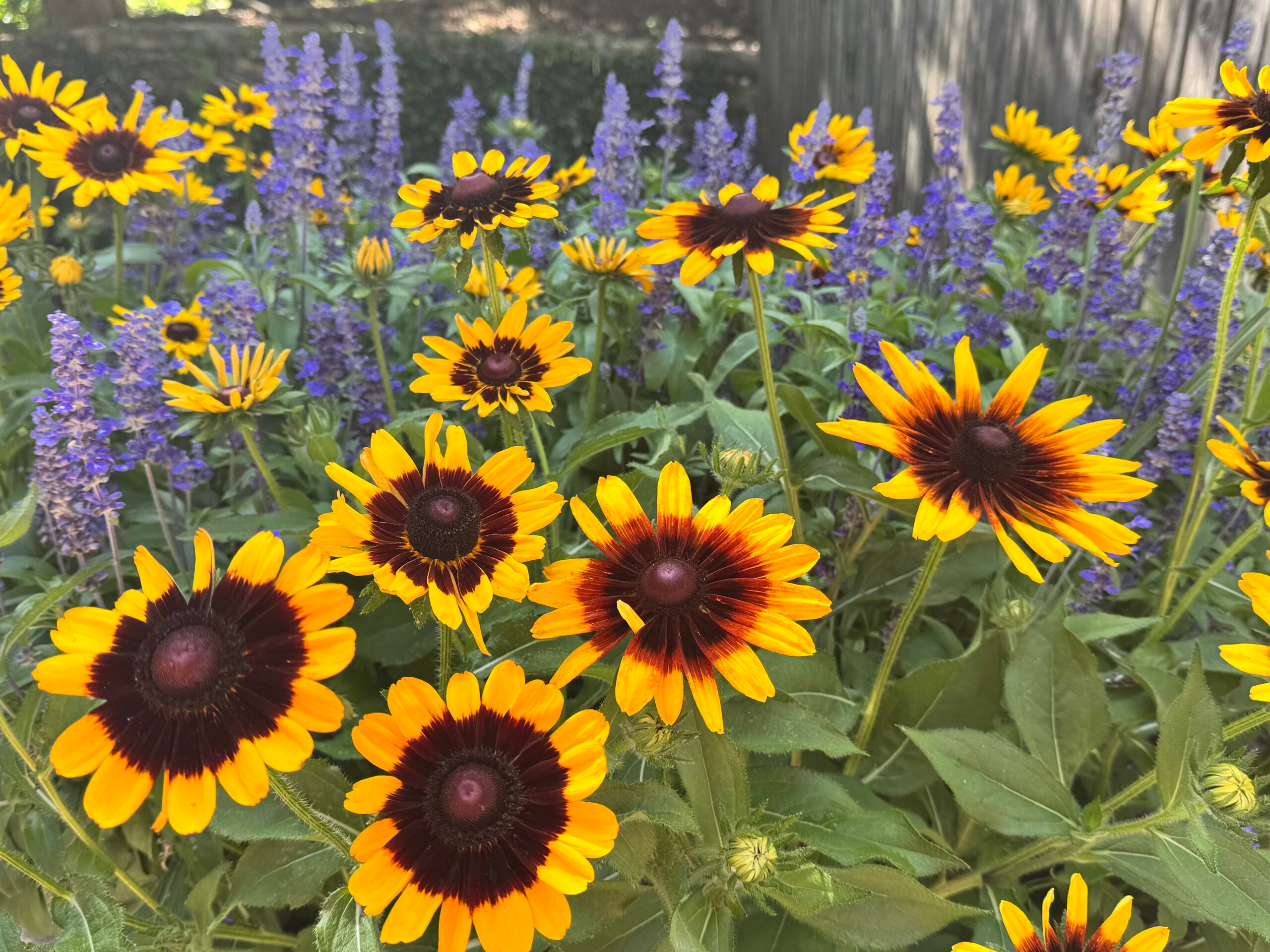
For a sunny bed around 6 by 8 feet, begin with one or two native milkweeds suited to your moisture conditions, three purple coneflowers, three black-eyed Susans and two late-blooming asters or goldenrods. Leave room for the mature spread of each plant. Add a patch of native golden Alexanders for Black Swallowtail caterpillars, or grow dill and parsley in a separate herb bed. This is an example layout, not a universal shopping list, so check mature size and moisture needs before planting.
Match plants to your site
- Sunny, well-drained ground: butterfly weed (Asclepias tuberosa) and purple coneflower
- Moist ground: swamp milkweed (Asclepias incarnata) and joe-pye weed
- Part shade: choose woodland-edge natives instead of forcing sun-loving meadow flowers into shade
Our butterfly garden plant guide lists sun, height and bloom time for each plant. To see which caterpillars use which plants, read host plants by butterfly.
Step 3: Plan for flowers across the seasons
Butterflies fly from spring until fall, so the garden needs something in bloom the whole time. Golden Alexanders brings spring interest and doubles as a caterpillar host. Coneflowers, milkweeds and black-eyed Susans carry summer. Asters and goldenrods extend nectar into fall, which is also when migrating monarchs pass through. Exact bloom dates shift with elevation and weather, so keep notes and fill gaps the next year.
Step 4: Plant and maintain
Remove invasive weeds and loosen the soil, then plant at the spacing on each label. Water new plants regularly while they establish, but do not keep drought-tolerant plants constantly wet. Mulch lightly. In less formal corners, leave some leaf litter and standing stems through winter, since many butterflies spend the cold months as eggs, caterpillars or chrysalises in plant debris.
Avoid broad-spectrum insecticides, including sprays sold as natural. They kill caterpillars and other beneficial insects. A few chewed leaves are a sign the garden is working.
Supplies that help
You do not need much. A regional field guide helps you name what visits, and a mix of plants gets the bed started. Check scientific names and local nativity on any seed or plant you buy, because generic wildflower mixes can include nonnative species.
What to expect
The first year is mostly establishment. Do not expect a butterfly to appear the day a host plant goes in. Nearby habitat, weather, season and pesticide use all shape what you see. Keep a simple log with dates and photos, and use our free printable butterfly checklist to track visitors.
Common questions about butterfly gardens
When is the best time to plant?
Fall is a good time for perennials and native shrubs in the Upstate, with early spring as the second choice. Plant herbs and annual flowers after the last frost.
Do I need a butterfly bush?
No. Butterfly bush offers nectar but feeds no caterpillars, and some varieties spread into wild areas. Native plants support more of the life cycle.
Can I do this in a container or on a patio?
Yes. Pots of dill, parsley, zinnias and butterfly weed can draw visitors. Use large containers with drainage, since small pots dry out fast in summer.
Our takeaway
Start small, in full sun, with a few native plants that cover nectar and caterpillar food, and skip the pesticides. A modest bed done this way will outperform a large one planted with generic seed mixes.
Official resources and further reading
- Clemson Home and Garden Information Center for plant advice that fits South Carolina
- Xerces Society for pollinator habitat guidance
- South Carolina Botanical Garden to see native plantings in person
Related guides
- Butterfly garden plants for the Upstate
- Host plants by butterfly
- Black Swallowtail guide
- Monarch migration seasons
Planted something that worked? Tell us through our contact page.
Plant performance varies with soil, sun, weather and elevation. This guide is general information. Check with Clemson Extension or another official source before planting.
Leave a Reply